July 23, 2026
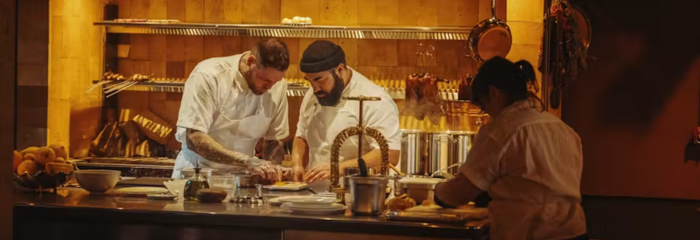
Impala restaurant in London is not an Egyptian place in any tidy, passport-stamping sense. It is Egyptian memory put through a decade of French kitchens, eight years at Kiln, North London kebab shops, and an obvious fascination with what happens when meat, bread, and smoke are left alone together.
The result is one of Soho’s more original dining rooms. Aish baladi swells inside a wood-fired oven. Short rib drips peppery fat across the plate. Langoustines become kibbeh. Tunisian harissa appears sweet, smoky and far more nuanced than the red paste languishing at the back of most refrigerators.
There is a lot going on. Occasionally too much. Yet Impala’s excess feels purposeful rather than fashionable. This is a restaurant built from a chef’s memories, not a marketing department’s mood board.
At a Glance
Best for: Curious diners, lively dates, counter dining and food-led Soho evenings
Cuisine: North African and eastern Mediterranean cooking over fire
Location: Dean Street, Soho
Price: Around £65–£90 per person before substantial drinking
Signature dishes: Aish baladi, langoustine kibbeh, grilled short rib and date and pistachio tart
Atmosphere: Dark, smoky, loud and extremely Soho
Dress code: Informal, though the crowd tends to make an effort
Nearest station: Tottenham Court Road
Booking tip: Try lunch or walk in for a seat at the kitchen counter
What Is Impala Restaurant in London?
Impala restaurant in London is the solo debut of Meedu Saad, who spent eight years at Kiln before opening the venue with Super 8. The group has become remarkably good at creating restaurants where live fire, difficult reservations, and chefs in excellent knitwear coexist peacefully.
The name comes from the Chevrolet Impala Saad remembers driving during family holidays in Egypt. Those trips, particularly time spent in Ismailia and the Sinai, provide much of the restaurant’s emotional material. Yet the food travels further, moving between Egypt, Tunisia, Cyprus, Greece and southern Europe without stopping to explain itself too carefully.
Saad’s background helps the menu avoid becoming a collection of borrowed regional dishes. He began work in a Turkish-Cypriot grill in North London, trained in classical French kitchens and later became known for the intense, fire-led cooking at Kiln. Impala gathers those experiences into something personal and rather difficult to categorise.
That lack of neatness is one of its strengths. The restaurant is not interested in presenting North African food as an educational exercise. It wants to cook, feed and occasionally overwhelm.
The Atmosphere and Design
Impala occupies a large 1960s building on Dean Street, softened outside by iroko timber and made deliberately shadowy within. Concrete columns remain exposed, while wood veneers and fabric panels introduce warmth. Industrial skylights bring in daylight at lunch, though by evening the room has descended into the sort of darkness that encourages both romance and the use of a phone torch.
The open kitchen is visible from much of the dining room. One counter faces the charcoal grill, where meat hangs, hisses and steadily perfumes the room. Another overlooks the bread oven. These are the most entertaining seats, although also the warmest. Dry cleaning may need to be factored into the final bill.
At the front, a bar sits beneath a custom sound system assembled from old cinema horns. The music is not decorative. It gives the room its pulse, particularly later in the evening, when Impala begins to feel less like a restaurant and more like the opening scene of a very well-fed night out.

The Menu
The menu begins with bread, as good menus often do. Aish baladi emerges from the oven puffed and lightly crisp, ready to be torn through harissa and olive oil. Honey bread comes with pounded white beans, herbs, and bottarga, a combination of creamy, salty, and sweet that makes restraint seem rather joyless.
From there, the cooking becomes harder to classify. Beef tartare is sharpened with smoky Tunisian harissa and brittle fried bread. Langoustine kibbeh replaces the customary meat with shellfish and wraps the result in perilla leaf. Hot grilled squid arrives with cumin, olives and Nabeul harissa. Tamworth pork sheftalia, wrapped in caul fat, is coarse, juicy and best eaten with bread and parsley-heavy onion salad.
The grill is where Impala becomes most persuasive. Short rib is cooked pink and aggressively seasoned with pepper and rosemary. Monkfish wrapped in grape leaves takes on smoke without losing its succulence. The signature duck, dry-aged and stuffed with black lime and chilli, is roasted over embers with molasses. It tastes both ancient and entirely new.
Vegetables are not treated as administrative side dishes. Artichokes come with nettles and sheep’s cheese. Blanched greens with tomato and lemon offer necessary relief from all the fat and flame. Finish with the restaurant’s only dessert: a thin date and pistachio custard tart, salty, delicate and just wobbly enough.
Drinks & Wine
The drinks list follows the food’s slightly unruly logic. Cocktails have included banana rum punch, a Bathtime Martini and a Long Island iced tea, while the wine selection moves between classic European bottles, skin-contact wines and less familiar regions. Fresh whites, lighter reds and wines with some acidity work best against the smoke, chilli and richer cuts. Ask the staff for guidance rather than choosing solely by label.
Who Is Impala Best For?
Impala is best for curious diners, lively dates and small groups who enjoy bold flavours and restaurants with a strong point of view. The sharing menu rewards adventurous ordering, while the open kitchen and counter seats make the meal feel energetic rather than formal.
It is less suited to quiet business dinners, quick pre-theatre meals or anyone who dislikes loud music, low lighting and detailed menu explanations. Impala demands a little attention, which is part of its appeal.
Is Impala Worth Booking?
Yes. Impala is one of Soho’s more distinctive new restaurants, with cooking shaped by Egyptian memory, North African flavours and Meedu Saad’s years at Kiln. The best dishes balance smoke, chilli, richness and acidity with real precision.
The room can be dark and the bill rises quickly, but the restaurant feels original rather than engineered. Book a counter seat, order the bread, langoustine kibbeh and short rib, and leave room for the date and pistachio tart.
Practical Information
Address: 13–14 Dean Street, Soho, London W1D 3RS
Nearest station: Tottenham Court Road
Cuisine: North African and eastern Mediterranean-inspired live-fire cooking
Lunch: 12pm–2.30pm
Dinner: 5pm–10.30pm
Sunday opening: Planned for summer
Price guide: Approximately £65 per person before drinks and service, although a fuller meal may cost more
Reservations: Released up to 28 days in advance for tables of one to six
Walk-ins: Kitchen-counter seats and some additional spaces are retained for walk-ins
Private dining: Available
Best for: Counter dining, adventurous dates, small groups and destination meals
Impala Restaurant London Bookings
Capital A List members can make bookings for Impala below.